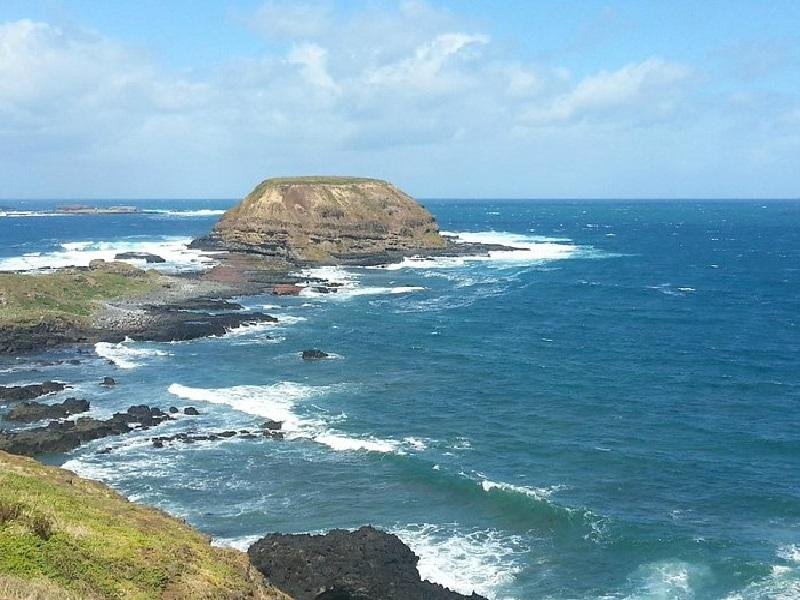
Phillip Island is a well-known Australian island located about 125 km south-southeast of Melbourne in the state of Victoria. It was named after Arthur Phillip, the first governor of New South Wales, by explorer George Bass. The island forms a natural breakwater that protects the shallow waters of Western Port.
Historical exploration of the region began in 1798 when George Bass and Matthew Flinders documented the area. Soon after, sealers from Van Diemen's Land frequented the island, often leading to conflicts with the indigenous Bunurong people. In 1801, navigator James Grant visited nearby Churchill Island and planted early crops of corn and wheat, marking one of the first agricultural efforts in the region.
However, one major challenge faced by early settlers was the island’s limited freshwater supply. Attempts to source water, such as digging a “tide-well,” proved insufficient for sustaining shipping or settlement needs. This limitation eventually led to relocation efforts toward Accommodation Point on the mainland, highlighting the practical difficulties of early colonization in the area.