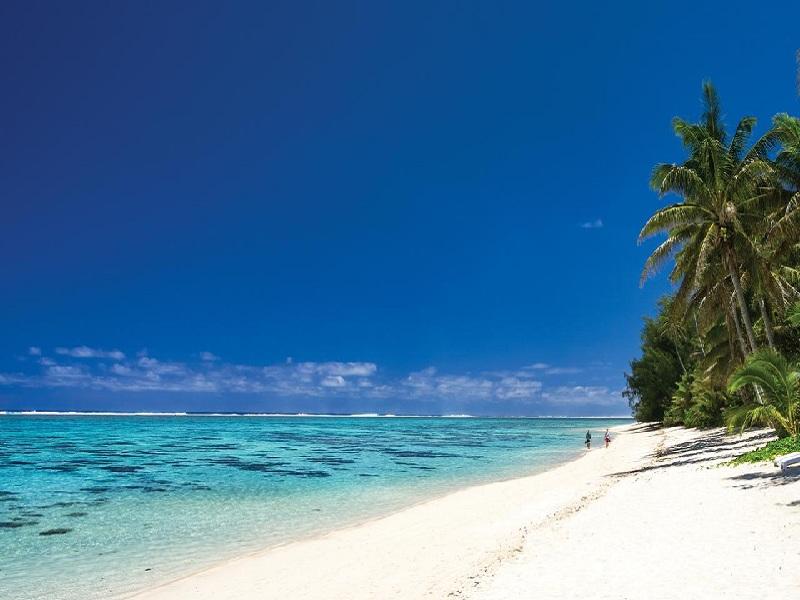
Rarotonga, the largest island in the Cook Islands, serves as the cultural, political, and economic heart of the nation. Formed by ancient volcanic activity, the island features rugged green mountains rising sharply from a narrow coastal plain. This fertile lowland supports small communities, tropical agriculture, and vibrant local markets. Surrounding the island is a stunning lagoon protected by a fringing coral reef, making it ideal for swimming, snorkeling, and other marine activities.
The capital town, Avarua, located on the northern coast, is the main hub for government, commerce, and transportation. It is home to the country’s parliament buildings and international airport, connecting the island to destinations like New Zealand and Australia. Tourism plays a crucial role in Rarotonga’s economy, with visitors drawn to its scenic beauty, warm climate, and welcoming Polynesian culture.
The island’s population represents a large majority of the Cook Islands’ total, contributing to a lively blend of tradition and modern life. Cultural events, music, and dance remain central to daily life. Historically, Rarotonga gained European attention in the early 19th century, when Captain John Dibbs recorded its presence during a missionary voyage, marking a significant moment in its global recognition.