In today’s world, medical software has become a necessary part of modern healthcare systems. From managing patient records and scheduling appointments to supporting diagnostics and telemedicine, many healthcare organizations rely heavily on modern medical software solutions to improve efficiency and patient care. As the technology continues to advance in artificial intelligence, data security, and cloud computing, the use of digital solutions is increasingly popular among healthcare organizations.
This article explores medical software, including its types, benefits, leading companies, and trends for 2026. Read this article to learn more!
Medical software is a digital tool designed to support healthcare operations, diagnostics, patient management, treatment planning, and administrative tasks. These digital systems assist hospitals, clinics, laboratories, and healthcare professionals in streamlining processes and delivering better patient outcomes. These solutions can range from simple appointment-booking tools to advanced AI-powered diagnostic platforms used in modern hospitals and other major healthcare settings.
Many healthcare organizations use numerous medical software solutions depending on their requirements. Here’s a breakdown of the types of medical software.
Electronic Health Record (EHR) Software is a common software tool that stores patients’ medical histories, reports, prescriptions, and treatment records online. These systems assist doctors in accessing patient information quickly and improving coordination between healthcare providers. Digital patient records, lab result integration, prescription management, and secure data storage are key features of EHR solutions.
These systems have become the most widely adopted healthcare tools because they offer efficiency and accessibility.
Hospital management software is a type of medical tool that helps healthcare professionals manage administrative and operational tasks. These systems focus on staff management, appointment scheduling, inventory tracking, and billing and invoicing. They reduce paperwork and improve workflow efficiency in healthcare facilities, making them ideal for many healthcare facilities.
Telemedicine software is another type of medical tool. These tools enable doctors and patients to communicate remotely through video consultations and digital communication solutions. They offer many benefits, including reduced travel time, remote healthcare access, good healthcare availability in rural areas, and faster consultations.
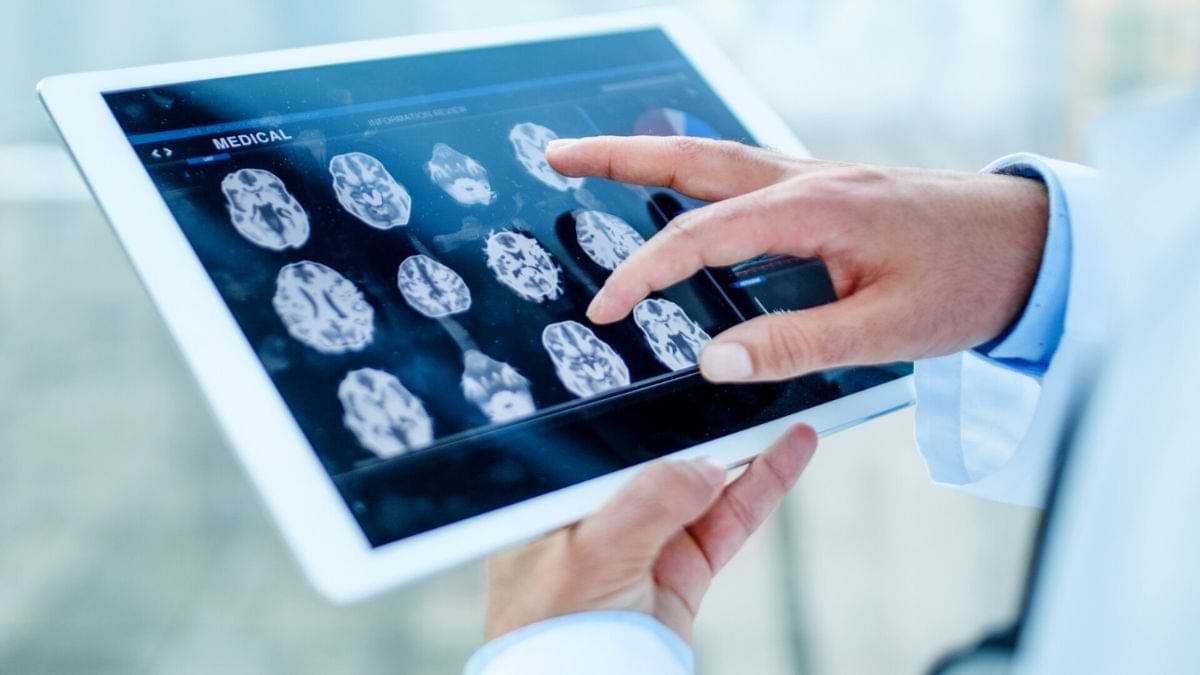
Medical imaging software enables healthcare professionals to analyze medical images, such as X-rays, MRI scans, CT scans, and Ultrasounds. Modern medical imaging software now uses AI algorithms to detect diseases more accurately than before!
Pharmacy management software is also a medical tool that helps healthcare professionals manage tasks, such as medicine inventory, billing systems, prescription tracking, and drug interaction alerts. These solutions reduce medication-related errors and improve operational accuracy, making them ideal for many healthcare settings.
LIMS software helps healthcare professionals manage laboratory operations, including data analysis, sample tracking, test reporting, and workflow automation. These tools reduce manual errors and improve efficiency in laboratories, making them ideal for professionals working in laboratories.
Medical software offers a wide range of benefits for healthcare providers and patients.
Healthcare professionals use medical software tools to access patient information quickly. This typically helps them make a faster diagnosis process and better treatment planning.
Medical software solutions include automation that reduces paperwork and repetitive administrative tasks. This typically saves time and improves productivity in healthcare settings.
Modern medical tools use AI technologies to organize large amounts of healthcare data securely and efficiently, helping healthcare professionals with better data management.
These tools focus on automated prescriptions, alerts, and AI-driven systems to help minimize human errors.
Enhanced Communication
These systems also enhance communication between doctors, nurses, laboratories, and patients, making them ideal for many healthcare organizations.
As technology continues to advance, the use of medical software is increasing globally among healthcare organizations. Below are some major trends in 2026.
Artificial Intelligence (AI) Integration
Cloud-Based Healthcare Systems
Cybersecurity & Data Protection
Wearable Device Integration
Personalized Healthcare
Mobile Healthcare Applications
Here are some of the top medical software companies.
One of the most popular companies offering medical software is Oracle Health. It is widely recognized for its EHR and health management solutions.
Epic Systems Corporation is another company that offers medical software tools. It is one of the largest EMR providers worldwide, making it ideal for many healthcare settings.
It is a notable company offering medical solutions. It provides a range of healthcare management software for hospitals and clinics.
When we talk about the medical software providers, Athenahealth comes to mind. It is a cloud-based medical tool that focuses on EHR and practice management.
It is another platform for medical solutions. It offers the best healthcare software solutions for hospitals and pharmacies.
In addition to these, there are many companies available offering medical software platforms.
Below are the tips for choosing the right medical software.
Security and compliance features
Before implementing medical software, consider checking security and compliance features.
Ease of use
Look at the ease of use before deciding on medical software.
Integration capabilities
It is another thing to consider when choosing the medical software. Check integration capabilities.
Customer support
Check the software’s customer support.
Budget and maintenance costs
Modern medical systems come in different prices and maintenance costs. Choose a medical software that suits your budget and interests.
Medical software solutions have become a powerful backbone of the medical industry. These are used in areas, from electronic health records and telemedicine to AI-powered diagnostics and wearable integrations. Modern medical systems also use AI technologies to streamline operations, improve patient outcomes, and stay competitive in an increasingly digital world.