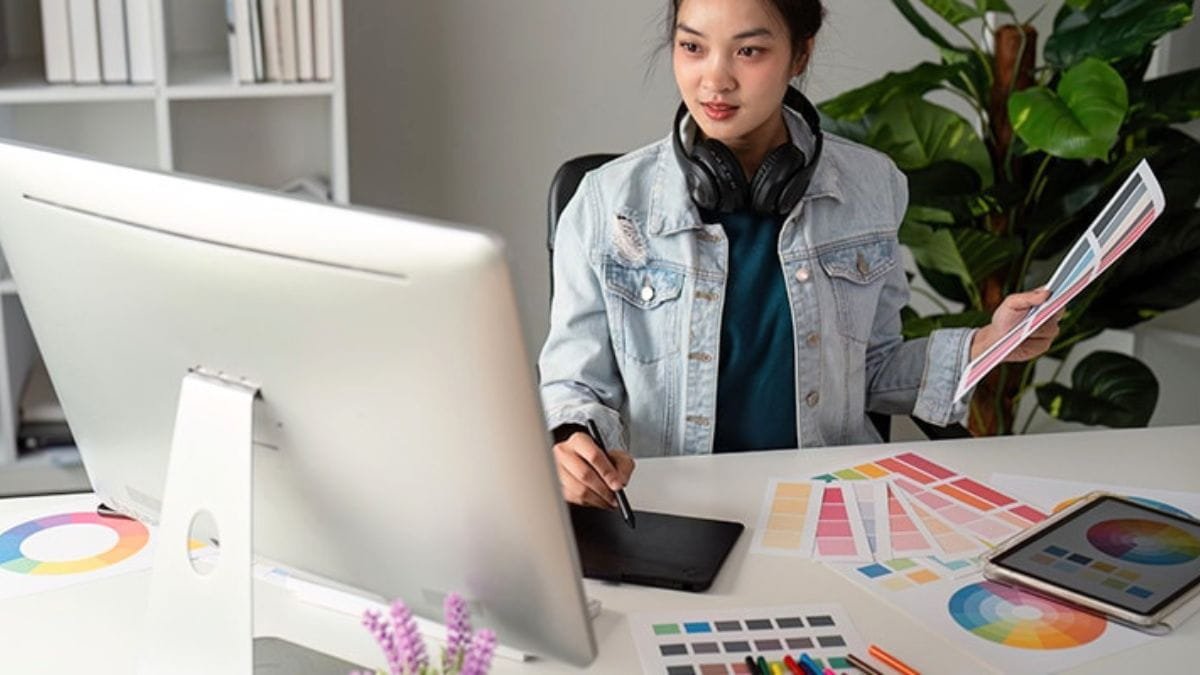
Graphic design platforms are specialized tools designed to assist professionals and beginners in creating, editing, and manipulating visual content. They come in different types by function, which include vector illustration (Illustrator), multi-page layout (InDesign), raster photo editing (Photoshop), and UI/UX design (Figma). Check out this article to learn more about graphic design platforms.
Graphic design platforms are digital tools designed to assist users in creating, editing, and managing visual content. These tools help businesses, freelancers, and designers produce digital and print designs. These tools also streamline workflow, increase creativity, and provide professional-quality outputs without extensive knowledge, making them an ideal choice for marketing, modern branding, and personal design products.
Graphic design platforms offer users a wide range of key features, including:
Graphic design platforms typically come with user-friendly interfaces that enable designers, even beginners, to navigate tools and finish tasks efficiently. Their user-friendly interfaces have clear menus, drag-and-drop functionality, and intuitive workflows that reduce learning curves.
These tools also include real-time collaboration that enables users to work simultaneously on projects. Their collaboration tools focus on version control, comments, and shared libraries that improve communication and efficiency.
They also offer templates and design assets like pre-built templates, stock images, and icons for a polished result. These tools simplify workflows by providing high-quality templates and design assets.
Graphic design platforms also support various export formats like PNG, JPEG, PDF, and SVG. Graphic designers can use such tools to adapt files for print, web, or social media. Many affordable graphic design platforms for small businesses and start-ups often offer multiple export options to suit diverse business requirements.
Graphic design platforms offer graphic designers, creators, or professionals a wide range of advantages. Some benefits of using graphic design platforms are listed below.
We know that inexperienced designers produce low-quality visuals and images. With graphic design platforms, designers can produce high-quality visuals and images. These tools offer features like export options, advanced editing, and high-quality templates that ensure outputs meet industry standards.
Graphic designers use graphic design platforms to access pre-built templates, design assets, and automated features. These features reduce the time required to create quality visuals and images.
Modern graphic design platforms are suitable for those without formal design training. They offer intuitive interfaces and tutorials, which make it easy to learn and produce high-quality visuals. This accessibility opens opportunities for small businesses, start-ups, entrepreneurs, and freelancers to handle their branding independently.
These tools offer affordable design services that suit graphic designers, freelancers, and businesses. They also enable small teams to produce high-quality and professional visuals without needing full-time designers.
Graphic design platforms vary based on their audience, purpose, and complexity. Below are the types of graphic design platforms.
Web-based design platforms are types of graphic design. They involve Canva or Crello, which allow designers to design directly in a browser without installing software. They often come with free and premium-based graphic design services. The cost of these tools starts at $0 for basic plans to $15–$30 per month for premium features.
Mobile-friendly platforms are also types of graphic design. Adobe Express and Over are mobile design apps that enable users to create designs on smartphones and tablets. These design apps are ideal for small projects and quick content updates. Cost ranges from 05 to $15 per month.
Desktop software tools are advanced graphic design solutions. Adobe Photoshop and Illustrator are examples of advanced desktop software. They offer a comprehensive suite of design capabilities. These software tools are installed on desktops and are suited for experienced designers. Pricing varies between $20 to $53 per month, depending on subscription or bundled Creative Cloud plans.
Specialized branding tools like Looka or Tailor Brands focus on brand kits, logos, and marketing materials. These tools combine AI-driven design and high-quality templates to offer a polished result. Cost ranges from $20 to $100+, depending on the type of user.
There are many graphic design platforms, each catering to the unique needs of freelancers, designers, and businesses. Below are the top graphic design platforms available in the market.
One of the most common graphic platforms is Canva. It is a web-based graphic design platform that offers high-quality templates, images, and collaboration tools. It comes with free and premium subscription-based graphic design services. Cost ranges from $0 to $15 per month. This web-based platform is ideal for small businesses, start-ups, and designers.
Figma is an excellent platform for graphic design services. It offers cloud-based design and prototyping tools, which are perfect for UI, UX, and graphic projects. It also provides collaboration features that enable real-time teamwork.
Figma also comes with free for beginners, and its professional subscriptions start at $12 per month, per editor.
Looka is another graphic design platform that specializes in brand and logo design using AI-driven tools. This platform offers marketing materials and branding kits for businesses, and pricing ranges from $20 for logos to over $100 for complete packages.
Adobe Photoshop, Illustrator, and Express are common graphic platforms suitable for professional designing. They offer comprehensive design capabilities and integration, making them ideal for professional designers and teams. Pricing ranges from $20 to $53 monthly.
Below are some factors to consider when choosing a graphic design platform.
Graphic design platforms have become essential tools for freelancers, professionals, and businesses to produce visuals and images. From free web-based platforms to advanced desktop software, each platform caters to the unique needs of users. By choosing the right graphic design platform, freelancers, designers, and businesses can elevate branding, marketing, and design efforts.